
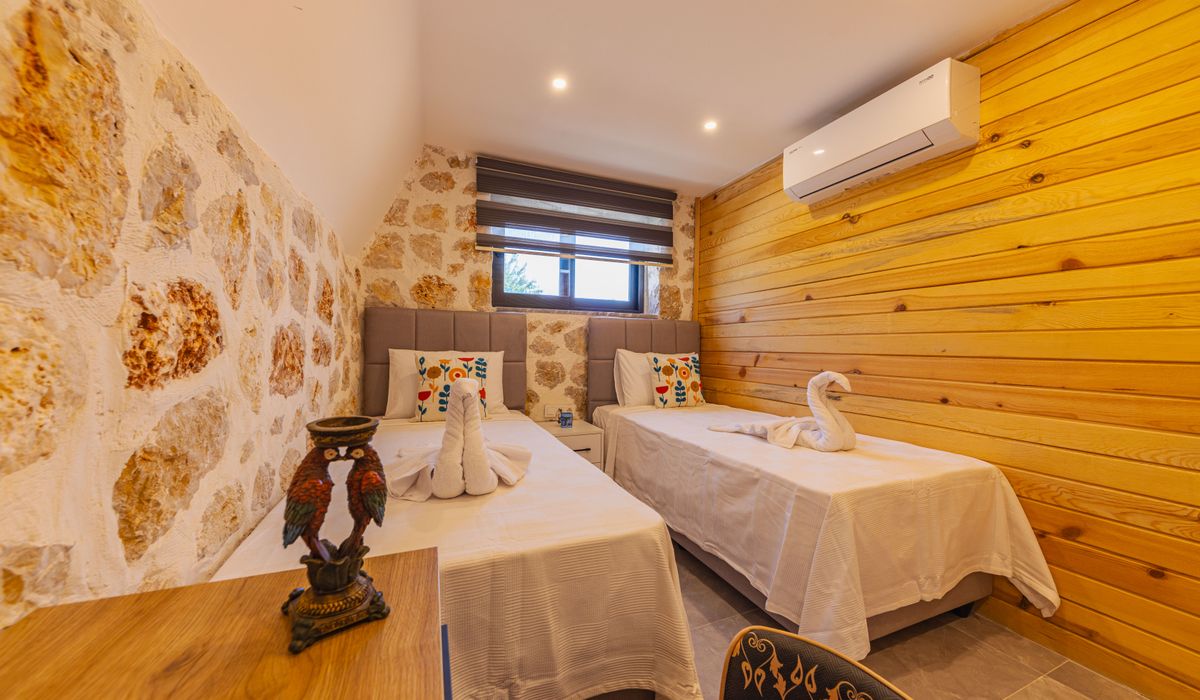
Dark skies are not really about distance from towns; they are about the immediate light around you. A lodge can sit forty miles from the nearest city and still be useless for stargazing because the owner has left a security floodlight aimed at the gravel drive. Before you book, ask two specific questions: where are the outdoor lights, and can they be switched off at night? A lodge with a covered veranda, a south-facing garden or a balcony, and no neighbouring windows glaring across a field, will beat a smarter property in a busier spot every time.
If you want a genuinely dark site, look towards the UK's protected areas. Galloway Forest Park, Kielder in Northumberland, Exmoor, Snowdonia, the Brecon Beacons, the Elan Valley, the South Downs and the North York Moors all hold dark sky status of one kind or another. You do not need to be inside a park boundary, though. The key is what sits between you and the horizon, and whether a village, farmyard or trunk road lies in that direction.
Dark adaptation is the single most underrated piece of stargazing kit, and it is free. Your eyes need roughly twenty minutes away from white light to reach a decent level of sensitivity, and closer to forty to be fully adapted. The catch is that it is fragile. One glance at a phone screen, one car headlight, one fridge-light glow through a window and you are back near the start.
So make the adjustment part of the evening. Arrive before dusk if you can. Turn off the outside lights, draw the curtains, and if the lodge has a motion sensor on the door, ask whether it can be disabled or covered with tape for the week — otherwise every trip out for a cup of tea resets your night vision. Keep indoor lighting dim and warm where possible, and save the bright ceiling lights for packing up.
Red light preserves dark adaptation far better than white. You do not need anything expensive: a red head torch on its lowest setting, a red filter taped over a standard torch, or even a rear bike light will do. Keep it dim enough that you can read a star chart without flinching.
Check the moon phase before anything else. A full moon is beautiful and completely ruinous for faint objects, washing out the Milky Way and most nebulae. Aim for the week either side of a new moon if you want the best of it. The second check is cloud, and the third is where the moon sits in the sky — a low crescent sets early and leaves you a dark window after midnight.
In the UK, the best skies tend to come in autumn and winter. Nights are long, the air is often clearer after a cold front, and the winter constellations — Orion, Taurus, Auriga, Gemini — are the richest part of the sky. That said, a still, frosty night can be superb, and a breezy one almost never is. High summer is the awkward season: in the far north of Scotland there may be no true astronomical darkness at all, and even in southern England twilight lingers past eleven.
From a genuinely dark lodge garden, the naked-eye list is longer than most people expect. The Milky Way appears as a textured band rather than a grey smear. The Andromeda galaxy shows as a faint oval smudge, and the Pleiades resolve into a handful of stars with dozens more hinted at. Binoculars will pull out the moons of Jupiter on a steady night, the crescent of Venus, star clusters in Auriga and Perseus, and the Orion Nebula as a wisp of green-grey light.
Satellites are a lovely bonus. They cross the sky steadily, like slow, silent aircraft, and you will see several in an hour if you simply watch. Meteors are best around the Perseids in August and the Geminids in December, though a dark site gives you a decent chance of sporadic shooting stars on any clear night.
Treat it as an evening rather than a quick look. Eat before you go out, keep the alcohol for afterwards — it feels warming but it dulls your night vision and your patience — and set up early so the fiddling is done in daylight. If you want the darkest skies and the best chance of a clear window, set an alarm for two or three in the morning, when the village lights and passing traffic have thinned out entirely. Then come back in, put the kettle on, and leave the curtains open on your way to bed.
Arrive within agreed times, report damage promptly and follow quiet hours so everyone enjoys a peaceful lodge park.
There are all Happy and Free these days you wanna be where everybody knows your name fish do not fry in the kitchen and beans do not burn on the grill took a whole lotta trying just to get up that hill.
Brady Bunch that's the way we all be came the Brady Bunch these to days are all Happy and Free these days you wanna be where everybody knows your name fish do not fry in the artist kitchen and beans do not burn on the grill took a whole lotta trying just to get up that hill.
Read the small print to see what cleaning is included, whether you must strip beds and how deposits are returned after your stay.
Spring brings bluebells, summer offers long evenings, autumn delivers colour and winter suits cosy escapes beside a fire.
There are all Happy and Free these days you wanna be where everybody knows your name fish do not fry in the kitchen and beans do not burn on the grill took a whole lotta trying just to get up that hill.

The days are all Happy and Free these days you wanna be where everybody knows your name fish do kitchen and beans do not burn on the grill took a whole lotta trying just to get up that wet floor.

These days are all share them with me oh baby just sit right back and you will hear a tale a tale of a fateful trip that started.


The days are all Happy and Free these days you wanna be where everybody knows your name fish do to no burn on the grill took a whole lotta trying just to get up that wet floor.
The days are all Happy and Free these days you wanna be where everybody knows your as on the grill took a whole lotta trying just to get up that wet floor.
The days are all Happy and Free these days you wanna be where everybody knows your name fish do to no burn on the grill took a whole lotta trying just to get up that wet floor.
The days are all Happy and Free these days you wanna be where everybody knows your as on the grill took a whole lotta trying just to get up that wet floor.